Australian Silver Kookaburra Coins: A Yearly Design Since 1990
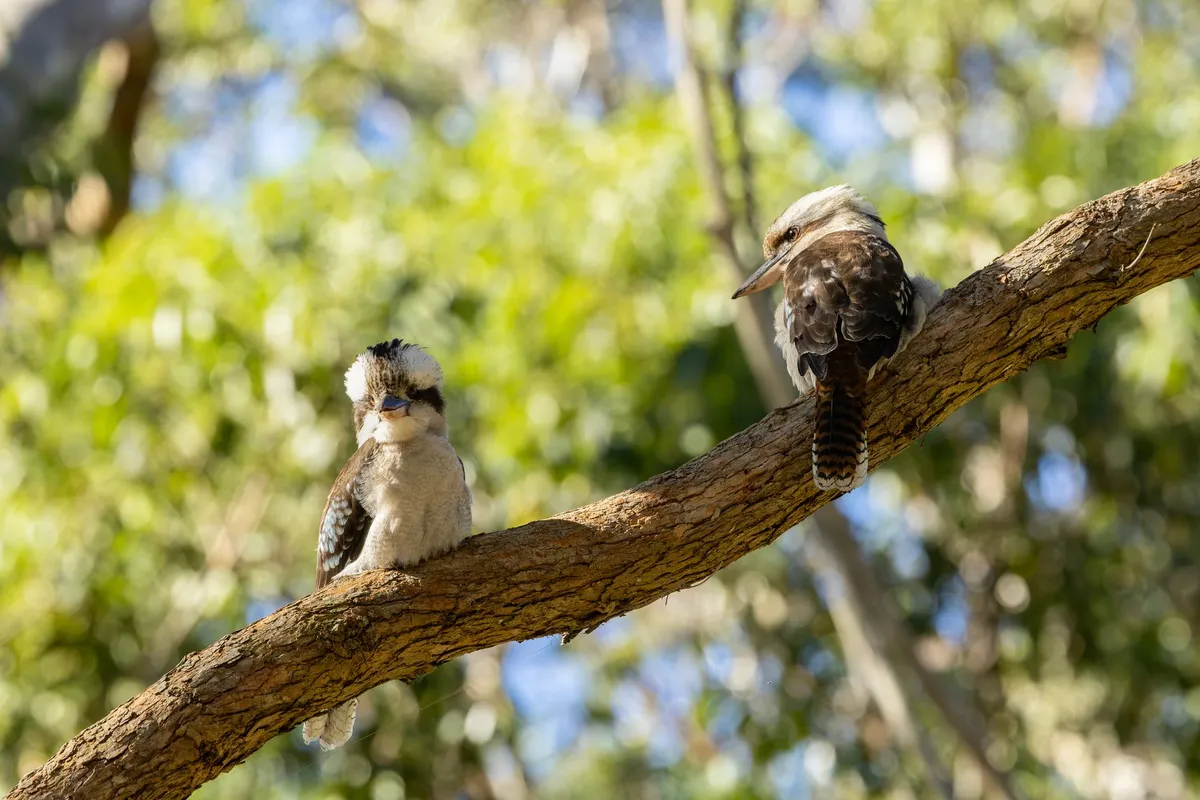
The kookaburra, a large kingfisher famous for its laughing call, has been the emblem of Australia’s main silver bullion coin series since 1990. Struck by the Perth Mint, the coin is known for changing its design every year, a feature that gives it a following among collectors while it continues to trade as bullion. It is one of the longest-running silver bullion coins with an annual design.
Origins
The Perth Mint introduced the Australian Kookaburra silver coin in 1990, as a companion to its gold bullion coins. From the start, the series combined a bullion purpose with the idea of a fresh design every year, each showing the kookaburra in a different pose: perched on branches, in flight, with chicks or set against Australian landscapes.
Design and legal tender status
The reverse shows the kookaburra design of the year, with the weight, fineness and year of issue. The obverse carries the effigy of the reigning monarch with the face value, like other Australian legal tender coins. Recent issues have moved from the effigy of Queen Elizabeth II to that of King Charles III.
Specifications of the 1 oz coin
| Feature | Detail |
|---|---|
| Metal | Silver |
| Fine silver content | 1 troy ounce |
| Face value | 1 Australian dollar |
| First year | 1990 |
| Issuer | The Perth Mint |
| Legal tender | Yes, in Australia |
For many years the coins were struck in .999 fine silver. The Perth Mint has since moved its main silver bullion coins to .9999 fineness. When buying, check the fineness stated on the coin and in the dealer’s description, since the fine silver content of the one-ounce coin remains one troy ounce either way.
Sizes
Over the years, the kookaburra has been issued in several sizes, the most common being:
- 1 oz, the core bullion coin.
- 2 oz and 10 oz, offered in some years.
- 1 kilogram, a large coin popular with buyers who want low premiums per ounce while staying with a government-issued product.
Larger sizes generally carry lower premiums per ounce but are less flexible to sell, a trade-off discussed in our guide to buying silver coins.
Bullion versus collector value
The kookaburra illustrates the line between bullion value and collector value:
- Recent bullion issues are minted in volume and trade close to their silver value plus a usual premium.
- Early issues, especially from the first years, can attract collector interest and higher prices.
- Proof, privy-marked and special editions, produced in smaller numbers, are priced as collectibles.
A buyer interested only in the metal should compare the premium of the current year’s bullion coin with other one-ounce issues. A collector chasing particular years should rely on specialist price guides. This distinction is also explained in our article on silver coin values.
How it compares
| Coin | Annual design change | Typical role |
|---|---|---|
| Australian Kookaburra | Yes | Bullion with collector appeal |
| Canadian Silver Maple Leaf | No | Bullion |
| American Silver Eagle | No (reverse changed in 2021) | Bullion, strong US demand |
| Silver Britannia | Varies, standing Britannia most common | Bullion, popular in Europe |
All of these coins contain one troy ounce of fine silver in their standard size. Premiums differ according to demand, availability and the issuing mint’s distribution. For a broader view, see 1 oz silver coins and our overview of silver bullion coins. The Perth Mint’s other popular series is covered in our article on the Perth Mint Lunar series.
This article may contain partner links. They never influence what we write.